
April 20, 2026 · 5 min read
Cloud-Based Community Paramedic Software: A Practical Buyer's Guide for Fire and EMS Leaders
By Tyler Helps
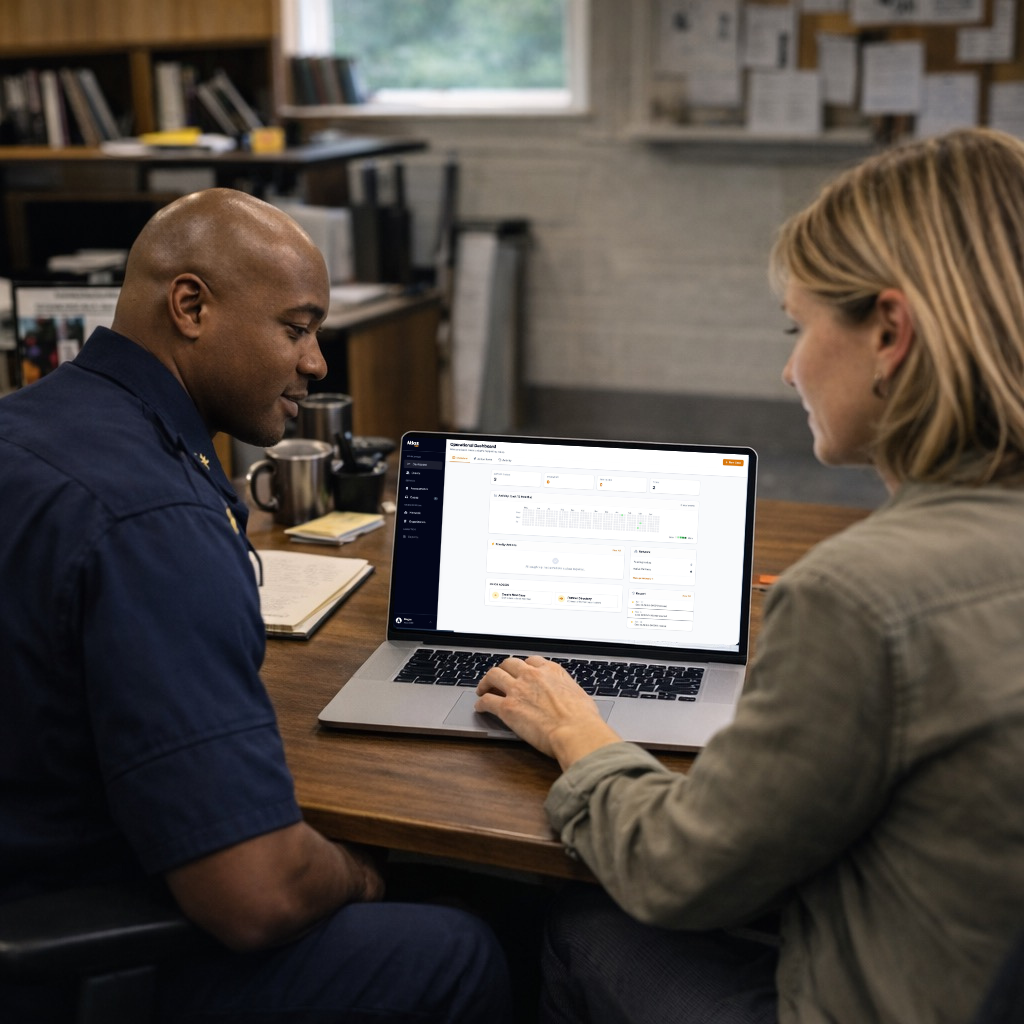
Search interest for cloud based community paramedic software is rising because agencies are being asked to do more with fewer resources. Program leaders need a system that supports outreach, documents outcomes, and connects teams across field, office, and partner organizations without creating more administrative work.
Why cloud based community paramedic software is now the default
Legacy tools were built for incident reporting, not longitudinal care coordination. Community paramedicine requires follow-up workflows, referral tracking, and shared visibility into non-emergent patients over time. Cloud deployment gives crews and coordinators access to the same record in real time from station, tablet, or phone.
Cloud architecture also improves speed of iteration. As your protocol changes, forms, fields, and routing logic can be updated without waiting on a local server cycle. That flexibility matters when grant deliverables and care pathways evolve mid-year.
Core capabilities to prioritize
1. Structured care plans and repeat-visit context
Your team should see prior encounters, social needs, risk flags, and open tasks before every visit. If clinicians have to reconstruct context from narrative notes, quality and consistency drop fast.
2. Closed-loop referral management
Community paramedic software should not stop at sending referrals. It should confirm receipt, track status, and surface aging tasks. Closed-loop workflows are where outcomes are won or lost.
3. Mobile-first field documentation
Field crews need quick templates, offline resilience, and low-friction data entry. The best platform removes duplicate charting and captures only the data needed for care continuity and reporting.
4. Interoperability with dispatch, ePCR, and health systems
Ask for real integration examples, not roadmap promises. Bidirectional sync with dispatch and clinical partners prevents manual reconciliation and helps your team act on complete information.
5. Outcome dashboards tied to program goals
Leaders need to demonstrate impact such as reduced low-acuity utilization, completed referrals, revisit reduction, and patient engagement trends. Dashboards should support both command staff decisions and grant reporting.
Implementation checklist for a low-risk rollout
Start with one high-volume use case, such as frequent fall callers or chronic condition follow-up. Define baseline metrics, train a pilot team, and review outcomes weekly for the first 90 days. Keep workflow changes small and measurable.
Before signing, require a live walkthrough using your real process: referral intake, field visit, follow-up, and management reporting. If the platform cannot demonstrate your actual operating model end to end, it is not ready for your environment.
Final recommendation
The right cloud based community paramedic software should improve clinical consistency, reduce administrative burden, and make outcomes visible to stakeholders. Choose the platform that can prove operational fit now, not after a long customization cycle.
Search interest in cloud-based community paramedic software is rising as agencies are pushed to deliver more services with fewer resources. Program leaders need platforms that support proactive outreach, document outcomes, and connect teams across field, office, and partner organizations—without adding administrative burden.
Why cloud-based community paramedic software is now the default
Traditional systems were designed for incident-based reporting, not longitudinal care coordination. Community paramedicine depends on:
- Follow-up workflows
- Referral tracking
- Shared visibility into non-emergent patients over time
Cloud deployment ensures that crews and coordinators access the same real-time record from station, tablet, or phone. This shared, always-current view is essential for safe, coordinated care.
Cloud architecture also accelerates iteration. As protocols change, teams can update forms, fields, and routing logic centrally—without waiting on local server cycles or IT change windows. This agility is critical when grant deliverables, partner requirements, and care pathways evolve mid-year.
Core capabilities to prioritize
1. Structured care plans and repeat-visit context
Clinicians should see a complete picture before every visit, including:
- Prior encounters
- Social needs and risk factors
- Risk flags and alerts
- Open tasks and follow-ups
If staff must reconstruct context from free-text narrative notes, quality, safety, and consistency degrade quickly. Structured, longitudinal records keep everyone aligned.
2. Closed-loop referral management
Effective community paramedic software goes beyond sending referrals. It must:
- Confirm referral receipt
- Track status through each step
- Surface aging or stalled tasks
Closed-loop workflows are where outcomes are won or lost. Without them, referrals disappear into the void, partners lose trust, and patients fall through the cracks.
3. Mobile-first field documentation
Field crews need documentation tools built for the realities of in-home and community care:
- Quick, role-specific templates
- Offline resilience when connectivity is poor
- Low-friction data entry on phones and tablets
The best platforms eliminate duplicate charting and capture only the data required for care continuity, quality oversight, and reporting.
4. Interoperability with dispatch, ePCR, and health systems
Integration is non-negotiable. Ask vendors for concrete, live examples—not roadmap promises—of:
- Bidirectional sync with dispatch/CAD
- Integration with ePCR platforms
- Data exchange with hospitals, clinics, and HIEs
True interoperability prevents manual reconciliation, reduces errors, and ensures your team acts on complete, up-to-date information.
5. Outcome dashboards tied to program goals
Leaders must demonstrate impact to command staff, payers, and grantors. Dashboards should clearly show:
- Reduced low-acuity 911 utilization and ED visits
- Referral completion and time-to-completion
- Revisit reduction and case resolution rates
- Patient engagement and contact trends
Visual, drill-down reporting should support both day-to-day operational decisions and formal grant or stakeholder reporting.
Implementation checklist for a low-risk rollout
To reduce risk and build internal buy-in:
- Start with one high-volume use case
Examples: frequent fall callers, chronic disease follow-up, high-utilizer case management.
- Define baseline metrics
Track measures such as call volume, ED utilization, referral completion, and revisit rates before go-live.
- Train a focused pilot team
Select motivated clinicians and coordinators, provide hands-on training, and designate super-users.
- Review outcomes weekly for the first 90 days
Inspect workflow friction, data quality, and early outcome trends; adjust templates and processes quickly.
- Keep workflow changes small and measurable
Avoid redesigning everything at once. Incremental, testable changes are easier to adopt and defend.
Before signing a contract, require a live, end-to-end walkthrough using your real process:
- Referral intake
- Field visit documentation
- Follow-up and closed-loop referral steps
- Management and grant reporting
If a platform cannot demonstrate your actual operating model from start to finish, it is not ready for your environment.
Final recommendation
The right cloud-based community paramedic software should:
- Improve clinical consistency and safety
- Reduce administrative burden and duplicate charting
- Make outcomes visible and credible to stakeholders
Select the platform that can prove operational fit now—using your workflows, your data, and your success metrics—rather than one that depends on a long, uncertain customization cycle.